Are yacht charters from Labuan Bajo safe? Yes — for the vast majority of travelers, a well-run yacht or phinisi charter departing Labuan Bajo is a safe and comfortable way to explore Komodo National Park, provided you book a vessel that is properly equipped, crewed by certified staff, and operated by a company that takes maintenance and weather seriously. As with any sea travel, safety is not automatic; it depends heavily on the operator you choose. This guide explains the vessel and crew standards that matter, what safety equipment should be onboard, and the practical questions to ask before you pay a deposit.
Are yacht charters from Labuan Bajo safe for most travelers?
Labuan Bajo is the main departure hub for Komodo, and thousands of guests sail from its harbor every high season without incident. The waters inside the Komodo archipelago are largely sheltered, the sailing distances between islands are short, and the main season (roughly April to November, as of 2026) coincides with calmer conditions. The real variable is not the destination but the boat and the team running it. A modern speedboat with functioning safety gear and an experienced skipper is a very different experience from an underpriced, overloaded vessel with no radio and a crew who cannot swim. When people ask whether yacht charters from Labuan Bajo are safe, the honest answer is: the region is safe to sail, and your job as a traveler is to filter for operators who match that with real standards.
What vessel safety standards should a charter meet?
A charter yacht or phinisi should be seaworthy in ways you can partly verify yourself. Look for a vessel that is well-maintained rather than merely photogenic — clean bilges, an engine room that is looked after, working navigation lights, and a hull free of obvious neglect. Phinisi are traditional Indonesian wooden sailing vessels, and a good one is beautifully kept; a poorly maintained one is a liability. Reputable Labuan Bajo operators run scheduled engine servicing, carry a backup engine or generator, and do not sail vessels beyond their rated passenger capacity.
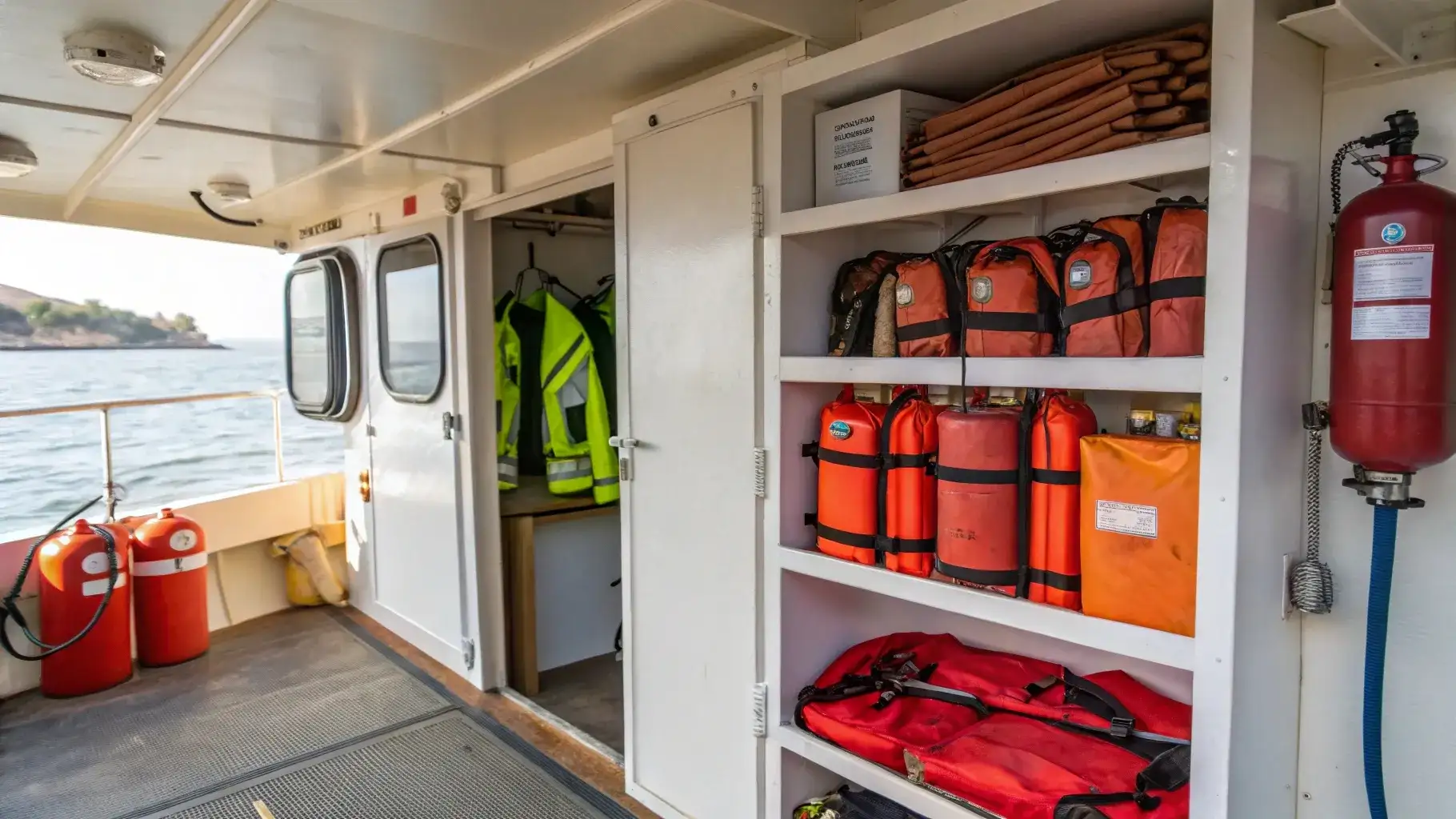
Key onboard safety equipment to expect includes:
- Life jackets for every guest and crew member, in adult and child sizes, stored where they can be reached quickly.
- A life raft or auxiliary tender capable of evacuating everyone onboard.
- Fire extinguishers and fire blankets, especially near the galley and engine room.
- A first-aid kit and, on overnight vessels, oxygen and a basic medical response plan.
- Communication gear — VHF radio and, ideally, satellite phone or reliable mobile coverage, since some Komodo anchorages sit outside signal range.
- Navigation tools — GPS, depth sounder, and up-to-date charts of the park’s reefs and currents.
You are entitled to ask an operator to confirm this list before booking. A trustworthy company will answer plainly. Evasive or vague responses are a meaningful warning sign.
How important is crew certification and experience?
Crew quality is arguably the single biggest safety factor on any Labuan Bajo charter. The captain should hold the appropriate Indonesian boat-master or skipper certification and, just as importantly, should know the Komodo waters intimately — the tidal currents around Padar, the reef passages near Manta Point, and where it is safe to anchor overnight. Currents in some channels are strong, which is exactly why guided snorkeling and diving with an experienced crew matters. On liveaboards and larger phinisi, you should also expect crew trained in first aid and, where diving is offered, dive professionals with recognized certifications.
Good operators keep a healthy crew-to-guest ratio so that someone is always watching the water during snorkeling stops. When you compare a private full-boat charter with a shared cabin booking, crew attention is one of the practical differences worth weighing — a topic covered in our guide to private full-boat versus cabin charters.
How do I vet a Labuan Bajo charter operator before booking?
Because standards vary widely, screening the operator is the most useful safety step you can take. Before you commit, ask:
- What safety equipment is carried, and how many life jackets and rafts? Cross-check against the guest count.
- What are the captain’s and crew’s qualifications and years in Komodo waters?
- Is the vessel insured, and does coverage extend to passengers? Passenger liability insurance is a strong indicator of a serious operator.
- What is the weather and cancellation policy? A responsible operator will delay or reroute for bad conditions rather than sail into them.
- How many guests will be onboard versus the vessel’s rated capacity? Overloading is a common corner-cut on cheap day trips.
Booking through an established company rather than an anonymous dock-side tout gives you accountability if something goes wrong. Be realistic about pricing, too: quotes vary by vessel and season and should be treated as indicative until confirmed, but a price far below the market usually reflects a compromise somewhere — often in the very safety standards described above.
Do weather and season affect charter safety?
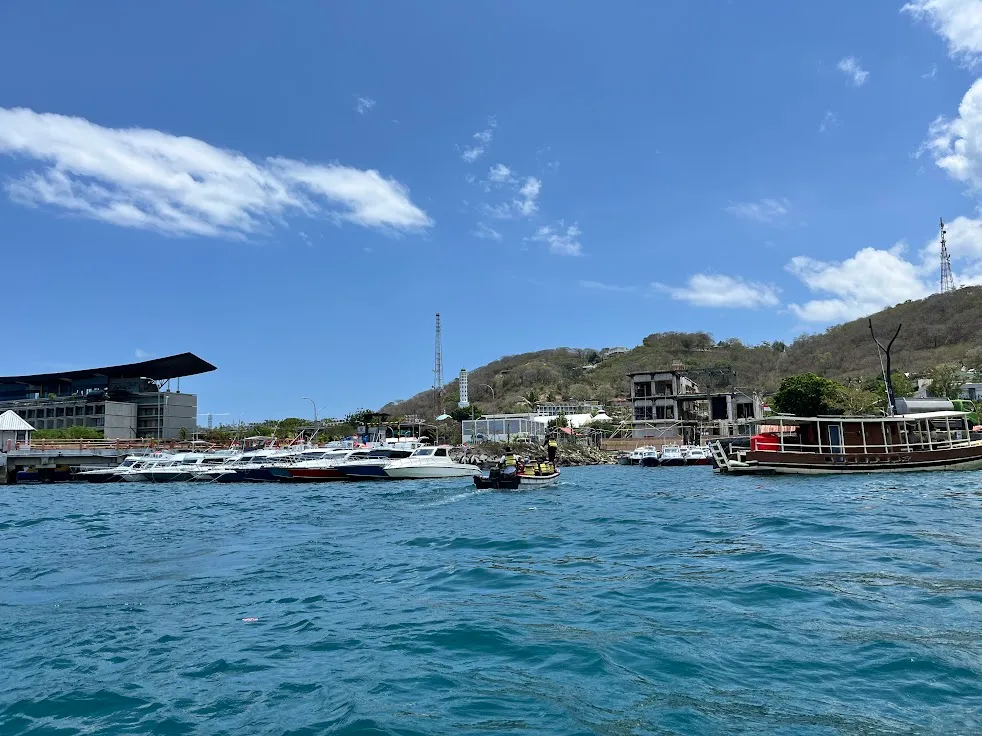
Yes. The Komodo region has a clear high season, roughly April to November, when seas are generally calmer and visibility for snorkeling and diving is at its best. The wetter, windier months bring choppier crossings on exposed stretches, and a good operator adjusts routes accordingly — favoring sheltered anchorages and shorter open-water legs. Day charters and sunset cruises, both popular from Labuan Bajo, are typically timed around favorable conditions, and departures now benefit from the improved facilities at the new Marina Waterfront area. The guiding principle is simple: a safe operator lets the weather dictate the plan, never the other way around.
Are day charters, overnight trips, and events equally safe?
Each format has its own safety profile. Day charters — speedboat or phinisi — stay close to the harbor hub and return the same day, so the margin for weather and logistics is generous. Overnight and multi-day liveaboards require more from a vessel: safe anchoring, onboard cooking, fresh water, power, and a crew prepared for a medical situation hours from port, which is why vessel and crew standards matter even more on longer trips. Weddings and events on board are a growing niche on Labuan Bajo phinisi, and here safety planning expands to guest movement between deck levels and tenders, crowd capacity limits, and clear boarding procedures. For events, confirm the vessel’s rated capacity is not exceeded once you add catering staff, and that life jackets scale to the full headcount. If you are comparing vessels for a group or celebration, our fleet hub is a useful starting point, and the full-boat versus cabin comparison helps you match the right vessel to the occasion.
The bottom line on charter safety from Labuan Bajo
Yacht charters from Labuan Bajo are safe when you choose an operator that maintains its vessels, certifies and staffs its crews properly, carries complete safety equipment, and respects the weather. The destination itself is well-suited to charter travel; the difference between a great trip and a risky one is the company behind the boat. Ask the questions above, favor transparency over the lowest price, and book with an operator willing to put its standards in writing.
We are part of Juara Holding Group — operating from Bali across Indonesia since 2015 — and we can walk you through vessel options, safety equipment, and crew credentials before you commit to anything. To plan a day charter, overnight cruise, or an event onboard a phinisi from Labuan Bajo, message our team on WhatsApp at +62 811-3810-8110 or email sales@komodoluxury.com. We are happy to answer safety questions first, before any booking.