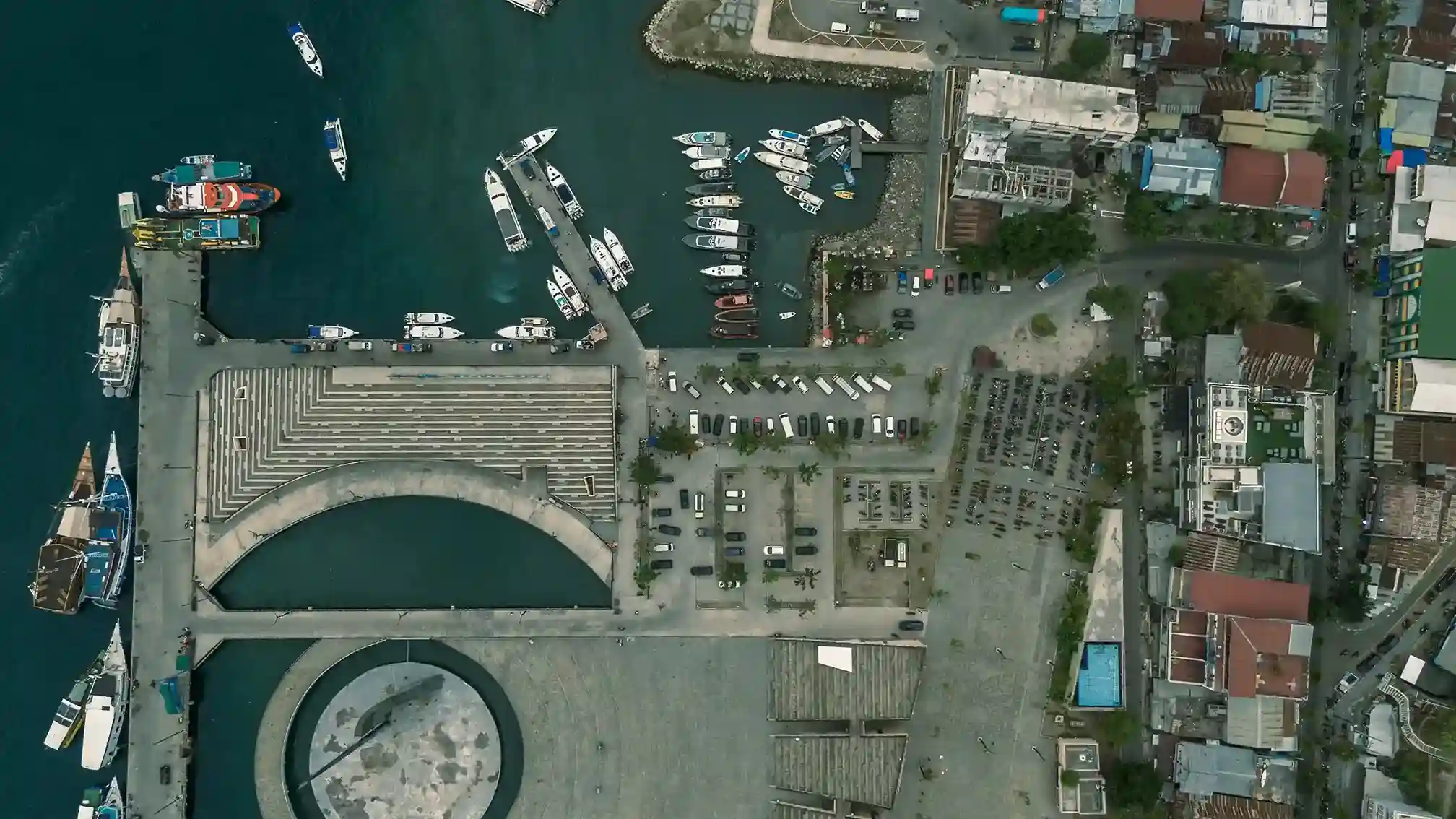
As of 2026, Labuan Bajo remains the single departure gateway for nearly every Komodo National Park voyage, and the komodo marina infrastructure 2027 pipeline is set to make that gateway faster, safer and far more comfortable. New floating docks, expanded mooring facilities and the ongoing Marina Waterfront development are gradually replacing the tender-and-wade boarding routine that once defined harbor departures. For guests booking a day charter, an overnight phinisi or a private event afloat, these upgrades translate directly into shorter boarding times and calmer, better-organised harbor logistics.
Labuan Bajo Yacht operates from this hub every sailing day, and we track the waterfront’s evolution up close. What follows is a grounded, forward-looking view of what is changing on the harbor and why it matters for the way you charter.
Why is Labuan Bajo the departure hub for Komodo?
Every practical route into Komodo National Park begins at Labuan Bajo, on the western tip of Flores. The park’s islands — Komodo, Rinca, Padar, Kelor and the surrounding dive sites — sit within a few hours’ cruise of the town’s harbor, making it the natural staging point for speedboats, phinisi schooners and larger liveaboards alike. Because Labuan Bajo was designated one of Indonesia’s priority “super-premium” tourism destinations, public investment in the port and surrounding waterfront has accelerated over recent years, and that momentum is precisely what feeds the wider infrastructure roadmap.
For charter guests, the takeaway is simple: the quality of your first and last hour on the water is decided at the harbor. Efficient berthing, protected boarding and organised departures are what separate a smooth day charter from a stressful one — and this is exactly where the newest facilities are focused.
What does komodo marina infrastructure 2027 include?
The komodo marina infrastructure 2027 picture is best understood as three overlapping layers: berthing, mooring and the passenger-side waterfront. Each addresses a different pain point in the current harbor experience, and together they reshape how vessels stage, load and depart.
Floating docks and pontoon berthing
Traditional harbor boarding in Labuan Bajo has often meant a short tender ride from shore to a vessel anchored offshore. Modern floating docks and pontoon systems change that. Because a floating dock rises and falls with the tide, it keeps a level, stable boarding platform regardless of the water height — a meaningful safety and comfort gain for families, older guests and anyone carrying dive or event equipment. As pontoon berthing capacity grows, more vessels can load passengers directly rather than shuttling by tender, cutting embarkation delays at peak season.
Mooring buoys and marine conservation
Mooring infrastructure is the quieter but arguably more important half of the story. Fixed mooring buoys at popular anchorages inside and around the park allow vessels to secure without dropping anchor onto fragile coral and seagrass. Expanding and maintaining these mooring points protects the very reefs guests come to see, and it also reduces congestion at busy sites by giving boats a predictable, orderly place to hold. For overnight charters in particular, reliable moorings mean calmer nights at anchor and fewer conflicts at the best sunset spots.
The Marina Waterfront and passenger terminal
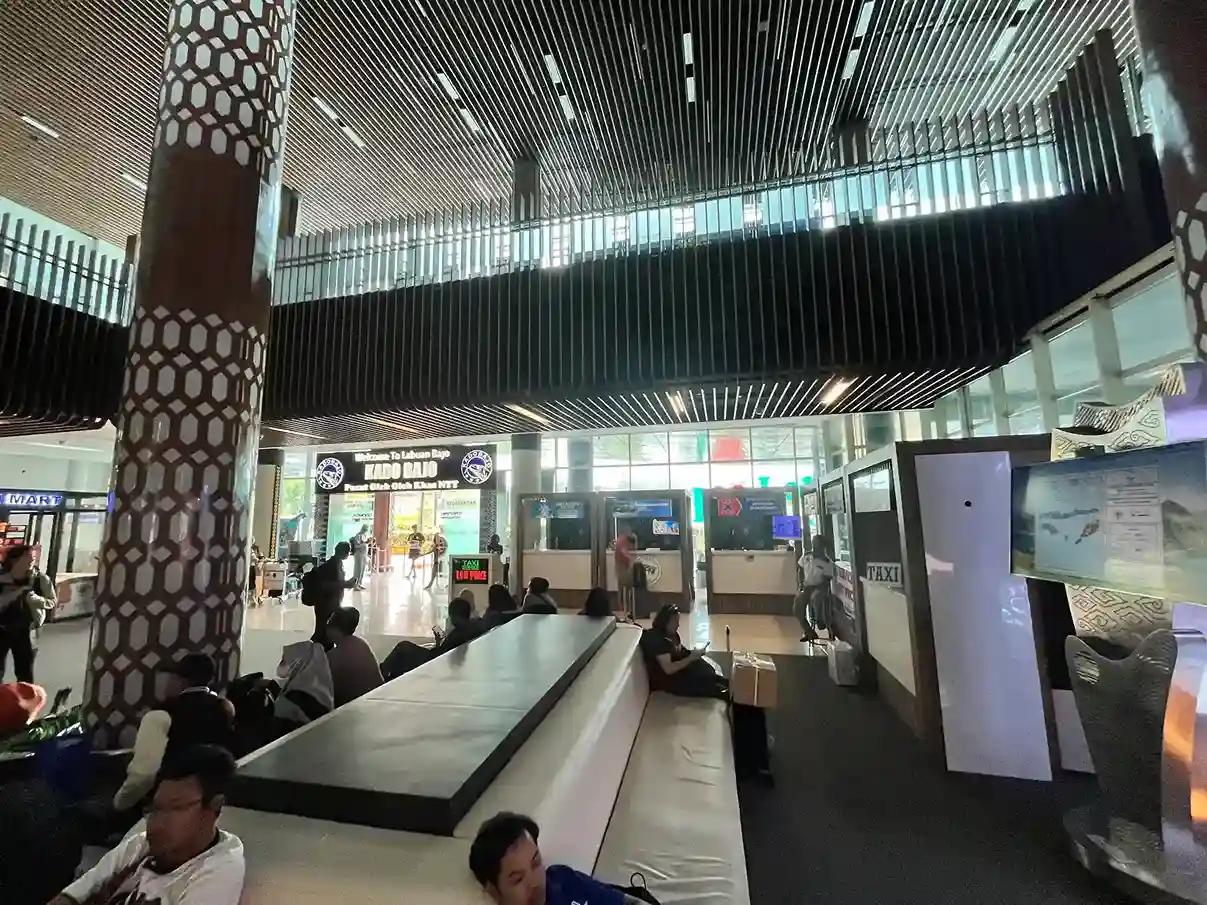
On the town side, the Marina Waterfront development continues to reshape the harbor edge with promenades, commercial space and improved passenger-handling areas. A better-organised terminal environment — shaded waiting areas, clearer vessel staging and cleaner pedestrian flow — removes much of the friction that used to surround a morning departure. As of 2026 these works are progressing in phases, and while completion timelines for any single element remain subject to change, the direction of travel is unmistakably toward a more marina-grade guest experience.
How does better harbor infrastructure improve day charters?
Day charters are the segment that gains the most from these upgrades, because their entire value depends on time efficiency. A speedboat day trip to Padar, Pink Beach and Manta Point lives or dies by how quickly it can clear the harbor in the morning and re-berth in the afternoon. Floating docks shave minutes off boarding; organised staging reduces the queueing that eats into cruising time; and reliable moorings at each stop mean less time circling for a safe spot and more time in the water.
The same logic extends to Labuan Bajo’s much-loved sunset cruises. A predictable evening berth and smooth re-boarding let operators run tighter, more dependable sunset schedules — so guests are anchored in the right channel as the light turns gold, rather than still negotiating harbor traffic. Whether you prefer a fast speedboat or a classic phinisi, our Labuan Bajo charter fleet is built around making the most of these shorter, sharper harbor turnarounds.
Can you host a wedding or event on a phinisi from Labuan Bajo?
Yes — and event charters are one of the fastest-growing reasons to sail from Labuan Bajo. A traditional phinisi offers a spacious teak deck, shaded lounging and a genuinely cinematic backdrop of islands and open water, which makes it a natural venue for intimate weddings, vow renewals, milestone celebrations and corporate retreats. Better harbor infrastructure matters here too: dependable berthing simplifies the logistics of loading décor, catering, sound equipment and guests who may not be seasoned sailors.
For a full-boat wedding or private event, we typically recommend chartering the entire vessel rather than booking by cabin, so the deck, timing and route are yours alone. Guests combining a celebration across two destinations often pair a Komodo sailing with time on the water in Bali; our Bali fleet hub makes it straightforward to plan a two-island itinerary under one point of contact. Event pricing is always indicative and depends on vessel, season, guest count and inclusions — we build each quotation around the specific day you have in mind.
When is the best time to charter from Labuan Bajo?
The prime charter window runs roughly from April to November, during the drier months when seas are generally calmer and visibility for diving and snorkelling is at its best. This period also coincides with peak demand, so harbor traffic is heaviest — which is exactly why the berthing and mooring improvements landing across the 2026–2027 horizon are so welcome. Chartering in the shoulder months of April, May, October and November can offer a good balance of favourable conditions and a less crowded waterfront.
Whatever the month, booking ahead secures both your preferred vessel and a smoother departure slot as the harbor grows busier. Because the komodo marina infrastructure 2027 works are being delivered in stages, conditions genuinely improve season on season — and planning early lets you take advantage of the newest facilities as they come online.
Planning your charter from the departure hub
Labuan Bajo Yacht is part of Juara Holding Group — operating from Bali across Indonesia since 2015 — and we run every charter directly from the Labuan Bajo departure hub. That local presence is how we keep pace with a harbor that is changing quickly: from floating docks and mooring expansion to the evolving Marina Waterfront, we translate the infrastructure story into a calmer, better-timed day on the water for you. Explore our full Komodo charter range to compare day trips, overnight phinisi voyages and private events.
Ready to plan a day charter, an overnight sailing or a wedding afloat from Labuan Bajo? Message our team on WhatsApp at +62 811-3810-8110 or email sales@komodoluxury.com, and we will build an itinerary and an indicative quotation around your dates.